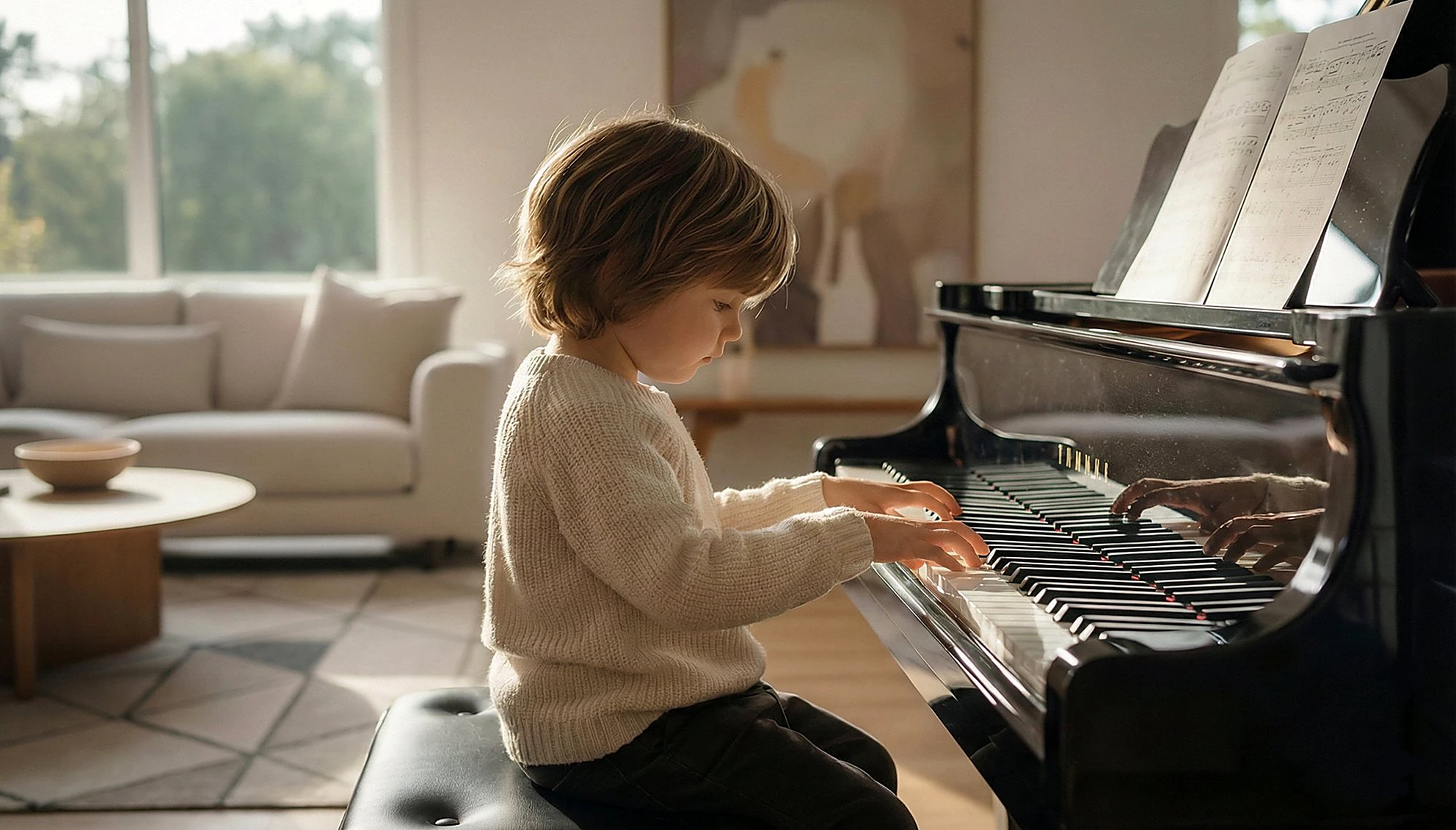
Kids keep playing when they like the music.
Most kids who quit piano could have kept going. They quit because it got dull and discouraging. I build a strong classical foundation, but I move students past the standard method books early, into music they want to play. Parents do tell me their kids are progressing faster. What they mention most, though, is that piano has stopped being a weekly battle.
Join the Waiting List →
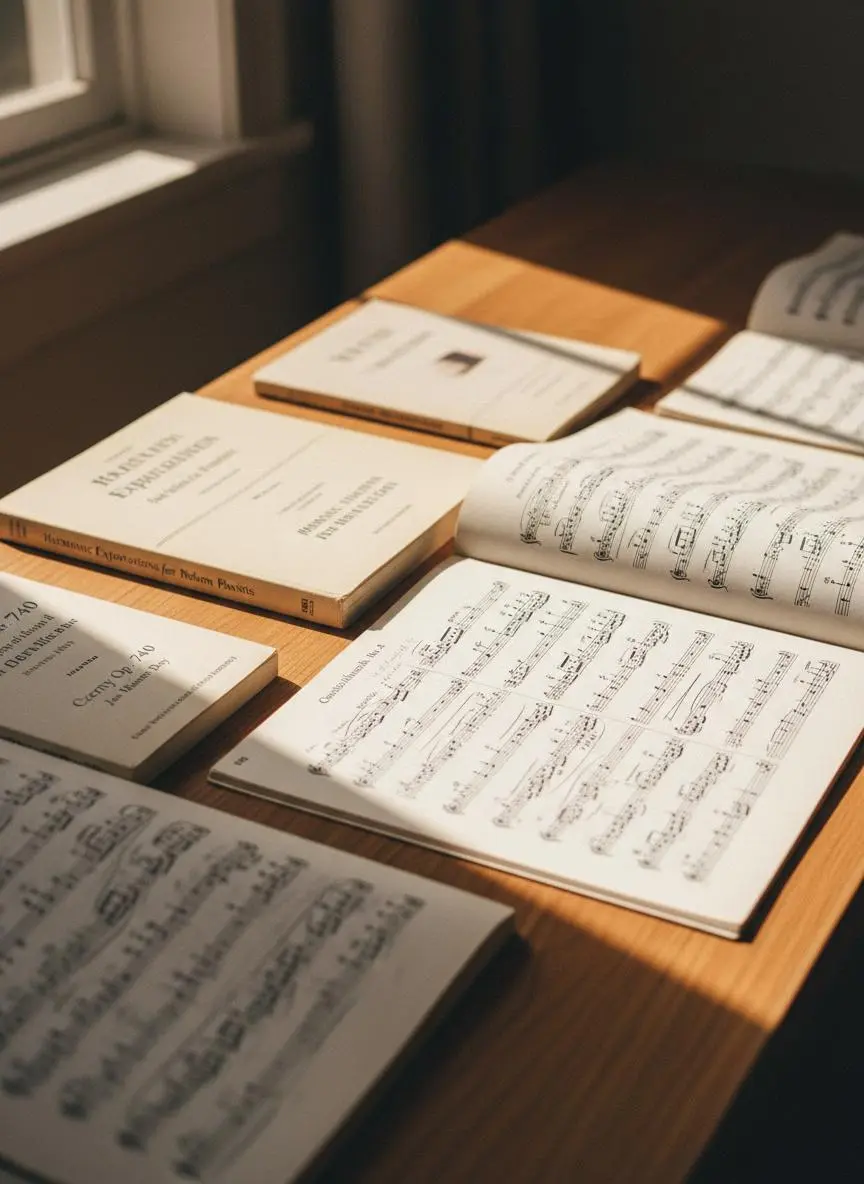
Skills That Last a Lifetime
I don’t just teach students songs. In every lesson they learn to read, to listen, and to work things out for themselves, so that one day they can open a new piece and learn it without me.
One of my favorite things to watch is a student starting to make discoveries on their own. That’s the kind of foundation that stays with them long after lessons end.
Music They Want to Practice
Method books have their place, but on their own they get dull fast.
So I also teach from a library of pieces I’ve collected over more than twenty years, by composers from Germany and Ukraine to Japan and Korea. Some of it isn’t published in the U.S., and most students here never come across it.
Even the early pieces are harmonically rich and fun to play. When kids like the music, they practice it, and the progress follows. See the curriculum, level by level.
Artistry Over Mechanics
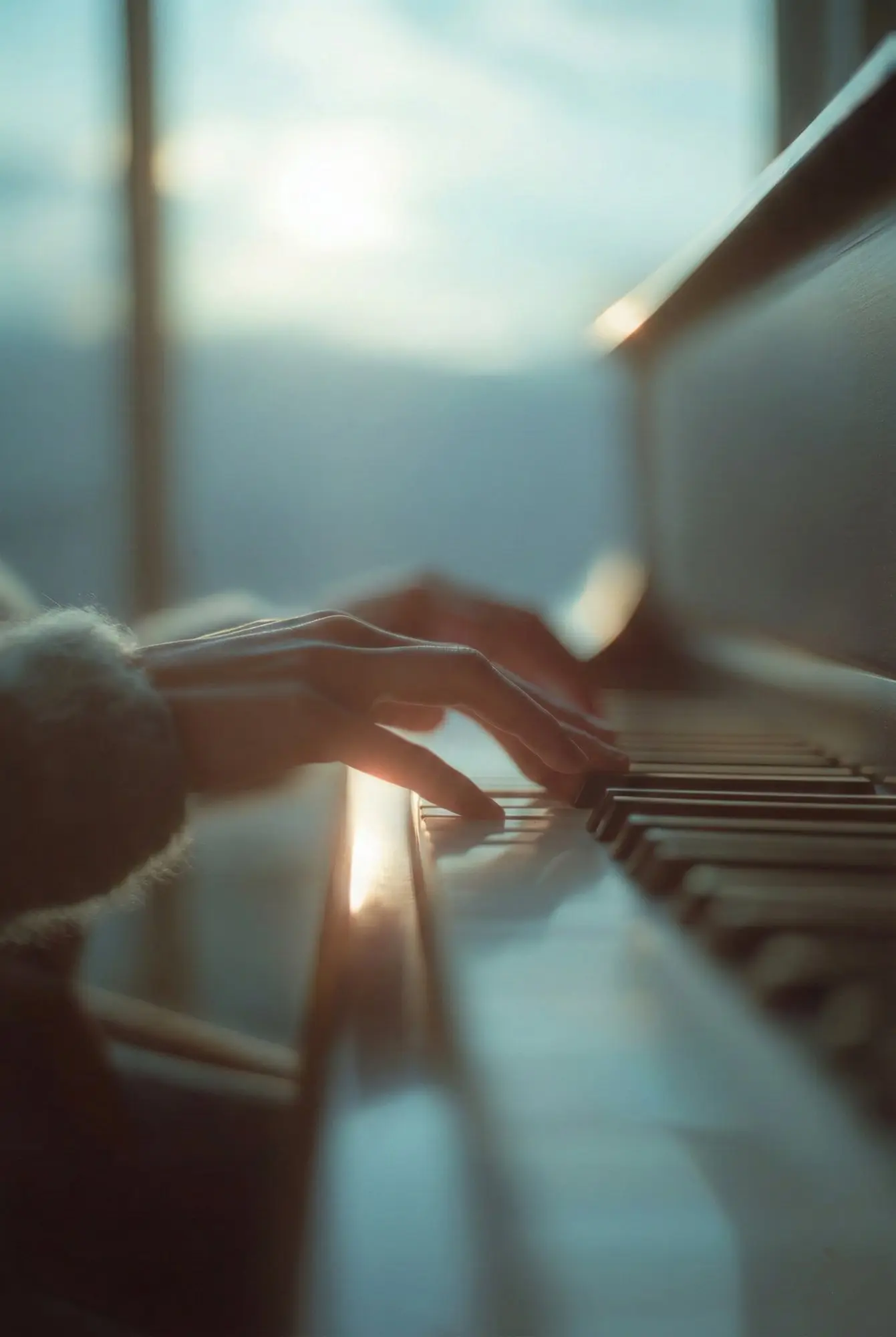
Many students develop a familiar “piano lesson” sound. Careful, rigid, and more mechanical than musical.
From the first lesson, I work on how students move at the keyboard and what they want the music to say. Every student’s hands and habits are different, so instead of forcing one technique on everyone, I build on how each one naturally plays, keeping it comfortable and free of tension.
When they play for you, it should sound like music, not like a piano lesson.
Join the Waiting List →
Independence
Skills That Last a Lifetime
I don’t just teach students songs. In every lesson they learn to read, to listen, and to work things out for themselves, so that one day they can open a new piece and learn it without me.
One of my favorite things to watch is a student starting to make discoveries on their own. That’s the kind of foundation that stays with them long after lessons end.
Repertoire
Music They Want to Practice
Method books have their place, but on their own they get dull fast.
So I also teach from a library of pieces I’ve collected over more than twenty years, by composers from Germany and Ukraine to Japan and Korea. Some of it isn’t published in the U.S., and most students here never come across it. Even the early pieces are harmonically rich and fun to play.
Artistry
Artistry Over Mechanics
Many students develop a familiar “piano lesson” sound. Careful, rigid, and more mechanical than musical.
From the first lesson, I work on how students move at the keyboard and what they want the music to say. Every student’s hands and habits are different, so instead of forcing one technique on everyone, I build on how each one naturally plays, keeping it comfortable and free of tension.
When they play for you, it should sound like music, not like a piano lesson.
No driving. No waiting rooms.
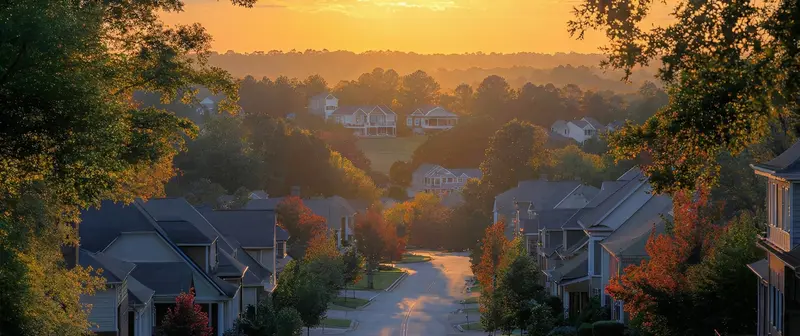
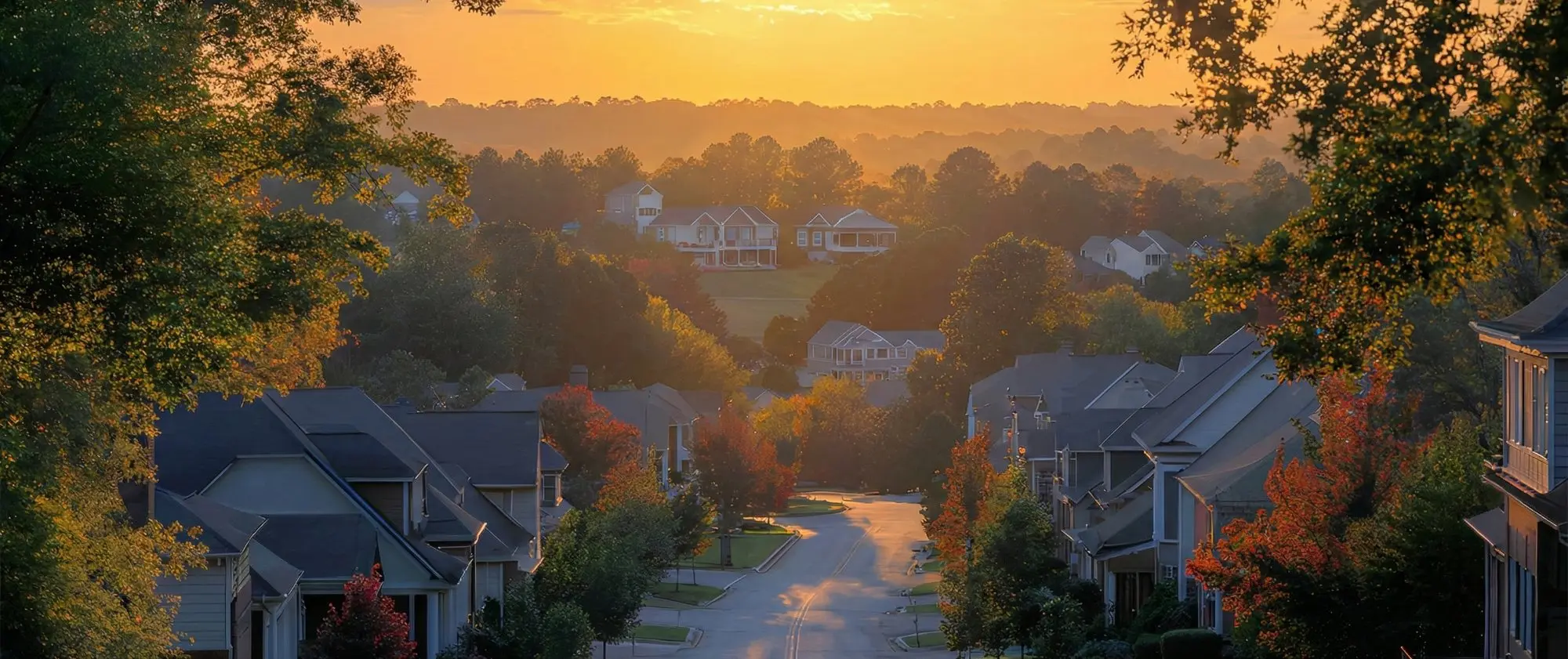
Most of my families are already juggling dance, karate, and homework every afternoon — and then trying to get across Shallowford or Sandy Plains for a 6:30 lesson. I just come to you at a time that works. The kids learn on their own piano, in a space they’re comfortable in, and nobody has to sit in traffic to make it happen.
It also makes a bigger difference than people expect. When lessons happen at home, piano becomes part of the routine instead of an interruption to it. Students settle in faster, practice more consistently, and lessons just feel easier for everyone.
“Davide comes to our home in downtown Marietta and my daughters, 8 and 6, adore him and adore learning piano! It has been a huge gift to our family.”
“We’ve had a wonderful experience with Mr. Palmer. He’s excellent at working with different skill levels and especially great with boys who are progressing quickly. He keeps them motivated without pressure. Piano doesn’t feel like a chore.”


What progress looks like.
Some of my students end up on stage playing pieces they never thought they could. Others just want to sit down and play something beautiful at home. To me, both count. I hold two studio recitals each year, and for those who want to go further, I prepare students for GMTA events.
“Great teacher! He knows how to get kids engaged and excited about piano! Highly recommended!”— Daniel P., East Cobb
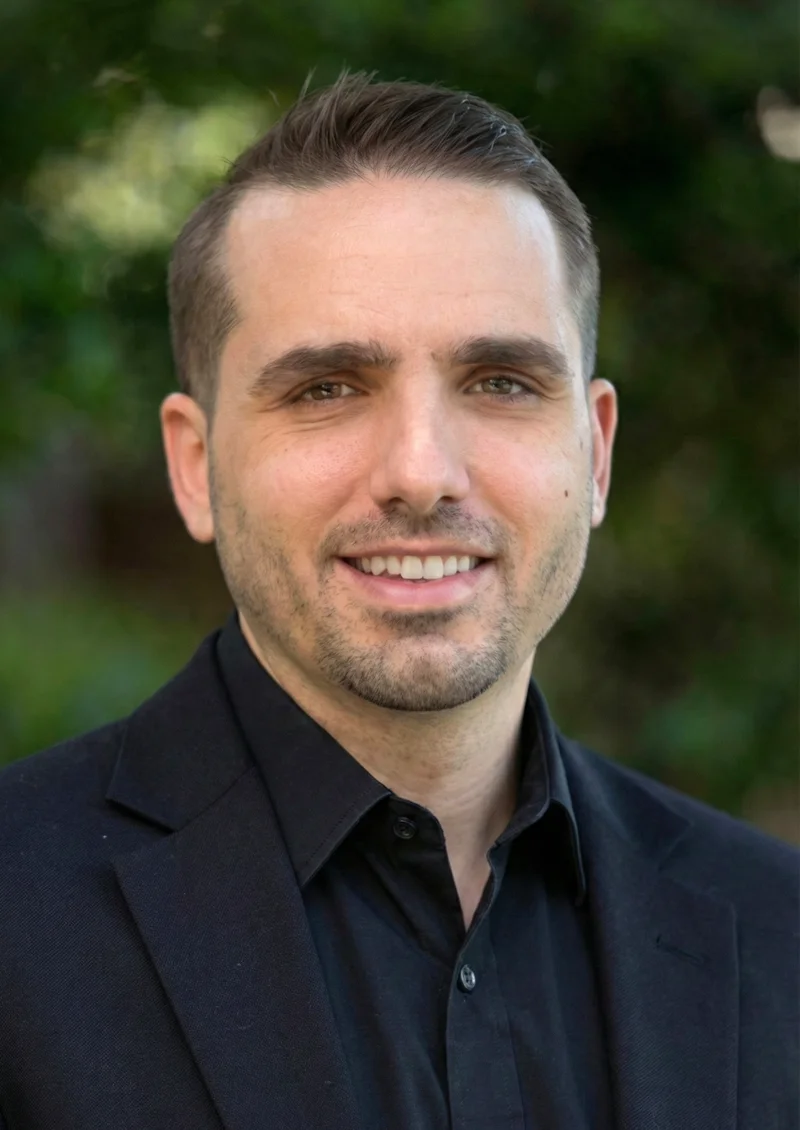
Davide Palmer
Davide Palmer has over 40 years of experience at the piano and has taught students of all levels for several decades.
He studied at the Conservatorio Domenico Cimarosa in Italy and the Manhattan School of Music under Dr. Solomon Mikowsky. In addition to his work as a soloist, he has served as a professional vocal accompanist and church pianist for over 20 years.
He currently teaches approximately 60 students through Mastering the Piano, serving families throughout East Cobb, Marietta, and Roswell.

“My son has made so much progress since he started with Mr. Palmer 5 months ago. He had 2 other piano teachers in the past and never made this much progress so quickly. My son loves it that Mr. Palmer gives him choices about which pieces they will focus on.”
One Monthly Rate
Flat-Rate Studio Membership, Billed Monthly • 40 scheduled lessons per year
All books, sheet music, materials, and registration included. Recitals are $20 per family, per recital.
Core
30 Minutes
Foundations & Early Study
Development
40 Minutes
Intermediate Repertoire, Technique & Theory
Performance
50 Minutes
Advanced Technique & Competition Prep
The monthly fee covers lessons, books, sheet music, materials, and registration. The one extra is the recital fee: $20 per family, per recital.
Frequently Asked Questions
I work with students ages 5 through adult, from kindergarteners just getting started to retirees picking the piano back up. My oldest student is over 80. Every lesson is shaped around the individual student’s age, goals, and pace.
Yes. I also teach in Roswell and neighboring areas, though availability may be limited. Priority is given to students with before-school lesson times, as travel slots fill quickly.
Yes, as long as it has 88 fully weighted keys. This is important for developing proper touch and technique. If you’re unsure whether your keyboard qualifies, feel free to ask when you reach out.
Yes. Families with more than one student enrolled receive a discount. Details are provided when you inquire about lesson availability.
I do, whenever there’s room in the schedule. The studio is full right now, so the best way to be considered is to join the waiting list.
Begin the Conversation
The studio is full right now, but I keep a waiting list. Add your name and I’ll be in touch when a spot opens that fits your neighborhood and schedule.
Join the Waiting List →Have a different question? Use the contact form.